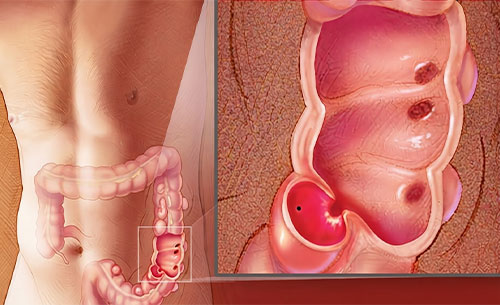
Diverticular disease is a common condition affecting the large intestine, particularly the colon. It occurs when small pouches, known as diverticula, develop in weak areas of the intestinal wall. These pouches are often found in the sigmoid colon, which is the lower section of the large intestine.
Many people with diverticula experience no symptoms and may only discover the condition during a colonoscopy or imaging test. However, when diverticula cause ongoing symptoms or become inflamed, medical assessment may be required. Understanding the symptoms, dietary recommendations, and treatment options can help patients manage the condition and reduce the risk of complications.
What Is Diverticular Disease?
The presence of diverticula in the colon is known as diverticulosis. Diverticulosis is common, particularly among older adults, and does not always cause health problems.
Diverticular disease generally refers to diverticula that cause symptoms or complications. Symptoms may include abdominal pain, bloating, constipation, diarrhoea, or changes in bowel habits. Diverticulitis develops when one or more diverticula become inflamed or infected. This can cause more severe symptoms and may require antibiotics, dietary changes, imaging tests, or hospital treatment.
Although these terms are related, diverticulosis and diverticulitis are not the same condition.
Common Symptoms of Diverticular Disease
Symptoms can vary depending on whether the diverticula are simply present or have become inflamed.
Common symptoms of uncomplicated diverticular disease may include:
- Intermittent lower abdominal pain
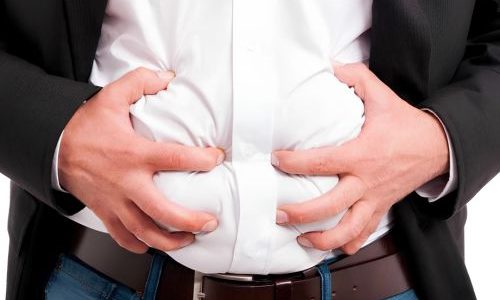
- Abdominal bloating
- Constipation or diarrhoea
- Changes in bowel movements
- Cramping that may improve after passing stool or gas
- A feeling of incomplete bowel emptying
The pain is commonly experienced in the lower left side of the abdomen because the sigmoid colon is frequently affected. However, pain may occur in other areas depending on the location of the diverticula.
Symptoms of Acute Diverticulitis
Acute diverticulitis usually causes more noticeable and persistent symptoms. These may include:
- Constant abdominal pain
- Tenderness in the lower abdomen
- Fever or chills
- Nausea or vomiting
- Constipation or diarrhoea
- Loss of appetite
- Abdominal distension
Severe diverticulitis may lead to complications such as a diverticular abscess, intestinal perforation, fistula, bowel obstruction, or peritonitis. Peritonitis is inflammation or infection of the lining of the abdominal cavity and requires urgent medical treatment.
Patients should seek prompt medical attention if abdominal pain is severe, persistent, associated with fever, or accompanied by rectal bleeding, vomiting, dizziness, or difficulty passing stool or gas.
How Is Diverticular Disease Diagnosed?
A healthcare professional will usually assess the patient’s symptoms, medical history, abdominal tenderness, and bowel habits.
During suspected acute diverticulitis, a computed tomography scan, commonly known as a CT scan, may be recommended. A CT scan can identify inflammation, thickening of the bowel wall, abscess formation, or perforation.
Blood tests may also be performed to check for elevated white blood cell levels or inflammatory markers such as C-reactive protein.
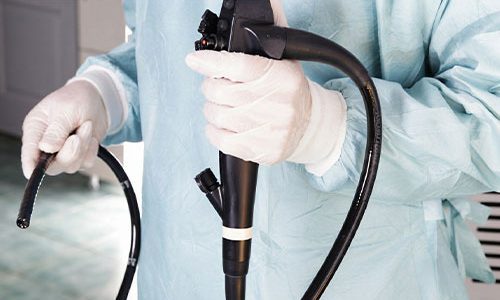
A colonoscopy may be recommended after an acute episode has resolved.It allows a specialist to examine the colon and assess for conditions such as colorectal polyps, inflammatory bowel disease, or colorectal cancer. Colonoscopy is generally avoided during severe acute inflammation because of the risk of perforation.
Diet for Diverticular Disease
Diet plays an important role in long-term bowel health. For people with uncomplicated diverticulosis,A fibre-rich diet can help improve bowel regularity and soften stools. It may also help reduce symptoms in some people with diverticular disease. Good sources of dietary fibre include:
- Wholegrain bread and cereals
- Oats and brown rice
- Lentils, chickpeas, and beans
- Fresh fruits
- Vegetables
- Nuts and seeds
Usually, increase fibre intake gradually to reduce bloating and excessive intestinal gas. Drinking adequate water is also important because fibre absorbs fluid and helps stool move through the digestive tract.
In the past, patients with diverticular disease were often advised to avoid nuts, seeds, popcorn, and foods containing small particles. Current evidence does not generally support avoiding these foods unless they personally trigger symptoms.
During acute diverticulitis, some patients may initially tolerate only clear fluids or a low-fibre diet. Diet can usually be advanced as symptoms improve, according to medical advice. Patients can usually reintroduce normal foods gradually as symptoms improve. Patients should follow individual medical advice rather than beginning a highly restrictive diet without professional guidance.
Treatment Options
Treatment depends on the severity of symptoms and whether complications are present.
Mild, uncomplicated diverticulitis may be managed with rest, temporary dietary modification, pain relief, and close medical monitoring. Antibiotics are not routinely required for all uncomplicated cases. They may be recommended for selected patients, particularly those with systemic illness, complications, or higher risk of deterioration.
Patients with severe pain, high fever, dehydration, vomiting, or signs of complications may require hospital admission. Hospital treatment can include intravenous fluids, antibiotics, pain medication, and bowel rest.
A diverticular abscess may require drainage using image-guided techniques. Emergency surgery may be necessary if there is bowel perforation, widespread peritonitis, uncontrolled bleeding, obstruction, or failure to respond to other treatments.
In patients with recurrent or complicated diverticulitis, elective bowel surgery may be considered. This may involve removing the affected section of the colon through a procedure known as a colectomy or sigmoid resection.
Preventing Future Problems
Maintaining a balanced diet, staying physically active, drinking sufficient fluids, and avoiding constipation may support bowel health. Some patients may benefit from fibre supplements, although these should be discussed with a healthcare professional.
Stopping smoking and maintaining a healthy body weight may also support overall bowel health. Patients should avoid frequent use of non-steroidal anti-inflammatory drugs, such as ibuprofen, unless advised by a doctor, as these medicines may increase the risk of gastrointestinal bleeding or complications in some individuals.
When to Speak to a Doctor
Persistent abdominal pain, unexplained changes in bowel habits, fever, rectal bleeding, or recurrent digestive symptoms should not be ignored. These symptoms can occur in diverticular disease but may also be associated with other gastrointestinal conditions.
At Shafimed, patients can seek professional guidance regarding digestive symptoms, diagnosis, treatment options, and ongoing management. Early assessment can help identify complications and support an appropriate treatment plan.
This article provides general health information and should not replace personalised medical advice, diagnosis, or treatment from a qualified healthcare professional.
Frequently Asked Questions
1. What is diverticular disease?
Diverticular disease occurs when small pouches form in the wall of the colon and cause symptoms.
These pouches are known as diverticula and may sometimes become inflamed or infected.
2. What are the common symptoms of diverticular disease?
Common symptoms include lower abdominal pain, bloating, constipation, diarrhoea, and changes in bowel habits.
Severe pain, fever, vomiting, or rectal bleeding may indicate acute diverticulitis.
3. What foods should I eat with diverticular disease?
A high-fibre diet containing fruits, vegetables, whole grains, legumes, nuts, and seeds may support bowel health.
Fibre intake should be increased gradually and combined with adequate fluid consumption.
4. Should I avoid nuts and seeds?
Most people with diverticular disease do not need to avoid nuts, seeds, or popcorn.
However, foods that personally worsen symptoms should be discussed with a healthcare professional.
5. How is diverticulitis treated?
Mild diverticulitis may be managed with rest, dietary changes, pain relief, and medical monitoring.
Severe or complicated cases may require antibiotics, hospital care, drainage, or surgery.
6. When should I seek medical attention?
Seek medical care for persistent abdominal pain, fever, vomiting, rectal bleeding, or difficulty passing stool.
Urgent assessment is important if symptoms are severe or rapidly worsening.