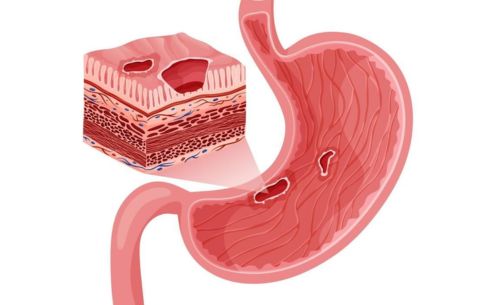
A stomach ulcer, medically known as a gastric ulcer, is an open sore that develops in the lining of the stomach. Gastric ulcers belong to a broader condition called peptic ulcer disease, which also includes duodenal ulcers that form in the first part of the small intestine. These sores develop when the protective stomach lining becomes damaged, allowing gastric acid and digestive enzymes to irritate the underlying tissue.
Some stomach ulcers cause persistent symptoms, while others remain unnoticed until complications develop. Recognising the common causes and warning signs is important because untreated ulcers may lead to internal bleeding, perforation or gastric outlet obstruction.
What Causes a Stomach Ulcer?
The stomach normally produces mucus and other protective substances that shield its lining from hydrochloric acid and pepsin. An ulcer can form when these protective mechanisms are weakened or damaging factors become stronger. The two most common causes are Helicobacter pylori infection and the use of nonsteroidal anti-inflammatory drugs.
Helicobacter pylori Infection
Helicobacter pylori, commonly called H. pylori, is a bacterium that can colonise the stomach lining. It may cause chronic gastritis and interfere with the stomach’s protective mucus barrier. Over time, ongoing inflammation can make the lining more vulnerable to acid-related injury and ulcer formation.
Many people with H. pylori do not experience symptoms, but the infection remains one of the leading causes of peptic ulcers. Healthcare professionals may test for it using a urea breath test, stool antigen test, or blood antibody tests, which are used less commonly because they cannot distinguish between current and previous infection, or tissue samples collected during an upper gastrointestinal endoscopy.
Nonsteroidal Anti-Inflammatory Drugs
Regular or prolonged use of nonsteroidal anti-inflammatory drugs, known as NSAIDs, is another major cause. Common examples include aspirin, ibuprofen and naproxen. These medicines can weaken the mechanisms that protect the stomach lining, making it more susceptible to irritation and ulcer formation.
The risk is greater in older adults, people with a previous ulcer, those taking high NSAID doses and patients using corticosteroids, anticoagulants, antiplatelet medicines or certain antidepressants (SSRI) at the same time. Patients should not stop prescribed medication without first consulting a qualified healthcare professional.
Other Risk Factors
Smoking may increase ulcer risk, delay healing and make recurrence more likely. Heavy alcohol use can irritate the stomach lining, although alcohol is not considered one of the main direct causes of peptic ulcer disease. Rare causes include severe physiological stress associated with critical illness, certain infections and Zollinger–Ellison syndrome, in which a gastrin-producing tumour causes excessive gastric acid secretion.
Emotional stress and spicy foods do not usually cause stomach ulcers. However, they may worsen indigestion, abdominal discomfort or other symptoms in someone who already has an ulcer.
Common Symptoms of Stomach Ulcers
The most typical symptom is a burning, gnawing or aching pain in the upper abdomen, usually between the breastbone and the navel. The pain may appear when the stomach is empty, occur at night or change after eating. In gastric ulcers, food may sometimes aggravate discomfort rather than relieve it.
Other possible symptoms include:
- Indigestion or dyspepsia
- Bloating and frequent belching
- Heartburn or acid reflux-like discomfort
- Nausea, with or without vomiting
- Reduced appetite
- Feeling full soon after starting a meal
- Unexplained weight loss
These symptoms are not specific to ulcers and may also occur with gastritis, gastro-oesophageal reflux disease, gallbladder conditions or other digestive disorders. Persistent or recurrent symptoms should therefore be medically assessed rather than self-diagnosed.
Warning Signs That Require Urgent Medical Attention
A stomach ulcer can damage a blood vessel or create a hole through the stomach wall. Seek urgent medical care for vomiting blood, vomit that resembles coffee grounds, black or tarry stools, visible blood in the stool, fainting, severe weakness, rapid heartbeat or dizziness. These symptoms may indicate gastrointestinal bleeding.
Sudden, severe abdominal pain, a rigid or extremely tender abdomen, fever, confusion or symptoms of shock may suggest ulcer perforation and peritonitis. This is a medical emergency. Persistent vomiting, increasing abdominal swelling or an inability to tolerate food may indicate gastric outlet obstruction caused by inflammation or scarring.
How Stomach Ulcers Are Diagnosed
Diagnosis begins with a review of symptoms, medical history and medicine use, particularly NSAIDs and aspirin. Testing for H. pylori is often required. An upper gastrointestinal endoscopy may be recommended when symptoms are severe, warning signs are present, the patient has unexplained weight loss or difficulty swallowing, or the clinician needs to examine the stomach directly.
During endoscopy, a thin, flexible instrument with a camera is passed through the mouth into the stomach. A biopsy may be taken to test for H. pylori, examine abnormal tissue and help exclude gastric cancer. Gastric ulcers may require repeat endoscopy after treatment to confirm healing.
Treatment and Prevention
Treatment depends on the cause. H. pylori-associated ulcers are generally treated with a combination of antibiotics and acid-suppressing medicine, usually a proton pump inhibitor. Completing the full treatment course is essential, and follow-up testing may be advised to confirm that the infection has been eradicated.
For an NSAID-related ulcer, a clinician may recommend stopping or changing the NSAID, reducing the dose or prescribing protective acid suppression. Prevention may include avoiding unnecessary NSAID use, taking prescribed medicines correctly, stopping smoking, limiting alcohol and seeking medical advice for persistent symptoms.
Stomach ulcers are usually treatable, but warning signs should never be ignored. Early medical assessment can identify the underlying cause, prevent serious complications and support complete healing.
If you are experiencing persistent upper abdominal pain, nausea, indigestion, reduced appetite or other symptoms associated with a stomach ulcer, contact Shafimed for a professional medical evaluation. Our healthcare team can assess your symptoms, recommend appropriate diagnostic tests and develop a personalised treatment plan to address the underlying cause and reduce the risk of complications. Book your consultation with Shafimed today and take an important step towards better digestive health.
Frequently Asked Questions
What is the most common cause of a stomach ulcer?
The main causes are Helicobacter pylori infection and frequent or prolonged use of NSAIDs. These factors weaken the stomach’s protective lining and allow acid to damage the tissue.
What does stomach ulcer pain feel like?
Ulcer pain is often described as a burning, aching or gnawing sensation in the upper abdomen. It may become worse when the stomach is empty, during the night or after eating.
Can stress or spicy foods cause stomach ulcers?
Emotional stress and spicy foods do not normally cause stomach ulcers. However, they may aggravate abdominal pain, indigestion and other symptoms in people who already have an ulcer.
What are the warning signs of a bleeding stomach ulcer?
Warning signs include vomiting blood, coffee-ground-like vomit, black tarry stools, dizziness, weakness or fainting. These symptoms may indicate gastrointestinal bleeding and require urgent medical attention.
How are stomach ulcers treated?
Treatment may include proton pump inhibitors, antibiotics for H. pylori infection and changes to NSAID use. The appropriate treatment depends on the underlying cause and the severity of the ulcer.