
Difficulty swallowing, medically known as dysphagia, means that food, liquids or saliva do not move normally from the mouth to the stomach. Some people cough when drinking, while others feel that food is sticking in the throat or chest. An occasional sensation after eating too quickly may not be serious, but persistent or worsening dysphagia needs medical assessment because it can lead to choking, dehydration, malnutrition and aspiration into the lungs.
Understanding the Swallowing Process
Swallowing is a coordinated process involving muscles and nerves in the mouth, throat and oesophagus. Dysphagia is generally classified as either oropharyngeal dysphagia or oesophageal dysphagia.
Oropharyngeal dysphagia affects the first stage of swallowing. A person may have trouble starting a swallow, cough or choke immediately, develop a wet or gurgling voice after drinking, or notice liquid returning through the nose. Oesophageal dysphagia occurs after swallowing begins and may cause the sensation that food is delayed or stuck behind the breastbone. Dysphagia differs from odynophagia, which means painful swallowing, although both can occur together.
Common Causes of Oropharyngeal Dysphagia
Problems involving the brain, nerves or swallowing muscles commonly affect the mouth and throat phase. Dysphagia may develop after a stroke or in people with Parkinson’s disease, multiple sclerosis, motor neurone disease, dementia or other neurological disorders. Frailty and some neuromuscular diseases may also interfere with safe swallowing.
Structural problems can contribute as well. Tumours, inflammation, previous head or neck surgery, radiotherapy, dental problems or poorly fitting dentures may make chewing or swallowing difficult. A pouch called a Zenker’s diverticulum can sometimes collect food near the upper oesophagus, causing regurgitation, coughing, bad breath or a sticking sensation.
Common Causes of Oesophageal Dysphagia
Oesophageal dysphagia may result from narrowing, inflammation or abnormal muscle movement. Gastro-oesophageal reflux disease, or GORD, can repeatedly expose the oesophagus to stomach acid, causing inflammation and sometimes scar-related narrowing called an oesophageal stricture.
Eosinophilic oesophagitis is an immune-mediated inflammatory condition that may cause difficulty swallowing and food impaction. Other structural causes include rings, webs, benign strictures and tumours of the oesophagus or nearby tissues.
Movement disorders can also prevent food from passing normally. In achalasia, the lower oesophageal sphincter does not relax properly and normal oesophageal contractions are disrupted. Difficulty with both solids and liquids from the beginning may suggest a movement disorder, while difficulty mainly with solids may suggest narrowing. Symptoms alone, however, cannot confirm the cause.
Warning Signs That Need Prompt Assessment
Arrange a medical appointment if swallowing difficulty persists, repeatedly returns or becomes progressively worse. Prompt assessment is particularly important when dysphagia is accompanied by:
- Unintentional weight loss or reduced appetite
- Pain when swallowing
- Recurrent vomiting or regurgitation
- Persistent heartburn, hoarseness or chest discomfort
- Coughing or choking during meals
- A wet-sounding voice after eating or drinking
- Repeated chest infections or unexplained fever
- Blood in vomit or black stools
- A neck lump or persistent throat symptoms
Progressive dysphagia with weight loss, anaemia or bleeding requires timely investigation to exclude oesophageal or head and neck cancer. These symptoms may have non-cancerous causes, but they should not be ignored.
When Is Difficulty Swallowing an Emergency?
Seek emergency medical care if food is completely stuck, you cannot swallow saliva, breathing is difficult, or choking is occurring. Sudden swallowing difficulty with facial drooping, arm weakness, confusion or speech changes may indicate a stroke and requires immediate emergency medical attention.
Seek urgent medical care for severe or unexplained chest pain, vomiting blood, black tarry stools, or rapidly worsening swelling of the mouth or throat. Do not try to force lodged food down with more food or drink, as this may worsen obstruction or increase aspiration risk.
How Specialists Diagnose Dysphagia
The appropriate specialist depends on where the problem appears to occur. A gastroenterologist evaluates oesophageal causes, while an ear, nose and throat specialist examines the mouth, throat and voice box. A neurologist may be involved when a neurological or neuromuscular cause is suspected. Speech and language therapists assess swallowing safety and recommend rehabilitation strategies.
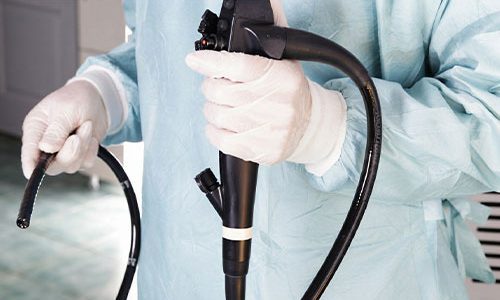
Testing may include a videofluoroscopic swallowing study, also called a modified barium swallow, which records swallowing using X-rays. A flexible endoscopic evaluation of swallowing uses a small camera passed through the nose to examine the throat during swallowing. For suspected oesophageal disease, upper gastrointestinal endoscopy allows a specialist to inspect the oesophagus, take biopsies and sometimes widen a narrowed area. A barium oesophagram or high-resolution manometry may assess structure and muscle function.
Treatment Depends on the Cause
Management is based on the diagnosis. It may include swallowing exercises, posture changes, carefully selected food textures, treatment for reflux or inflammation, endoscopic dilation of a stricture, removal of an obstruction, or procedures for achalasia. Neurological dysphagia may require coordinated medical, nutritional and speech therapy care.
Patients should not independently thicken drinks or severely restrict food textures without professional advice. An unsuitable diet may increase dehydration or nutritional risk.
When to Consult Shafimed
Difficulty swallowing is a symptom, not a diagnosis. Early assessment can identify whether the problem arises in the throat, oesophagus, nervous system or another structure. Contact Shafimed if dysphagia is persistent, progressive or associated with coughing, pain, weight loss, bleeding or recurrent chest infections. Emergency care is essential when breathing is affected, a complete blockage is suspected, or stroke symptoms appear.
Frequently Asked Questions
1. What does difficulty swallowing feel like?
It may feel as though food or liquid is stuck in the throat or chest. Some people also experience coughing, choking or pain while swallowing.
2. What are the common causes of dysphagia?
Common causes include acid reflux, oesophageal narrowing, inflammation, achalasia and neurological conditions. Stroke, Parkinson’s disease and certain tumours may also affect swallowing.
3. Is difficulty swallowing always serious?
Occasional difficulty after eating too quickly may not be serious. Persistent, recurring or worsening symptoms should be assessed by a healthcare professional.
4. Which specialist treats difficulty swallowing?
A gastroenterologist usually assesses problems involving the oesophagus. An ENT specialist or speech and language therapist may assess throat-related or neurological swallowing problems.
5. How is difficulty swallowing diagnosed?
Diagnosis may involve an endoscopy, barium swallow, swallowing study or oesophageal manometry. The appropriate test depends on the symptoms and suspected cause.
6. When is difficulty swallowing an emergency?
Seek urgent care if food is completely stuck, breathing is difficult, or you cannot swallow saliva. Sudden swallowing problems with facial weakness or slurred speech may indicate a stroke and requires immediate emergency medical attention.