
Crohn’s disease and ulcerative colitis are the two main forms of inflammatory bowel disease, commonly known as IBD. Both are chronic inflammatory conditions that affect the gastrointestinal tract and can cause abdominal pain, diarrhoea, fatigue, weight loss, and periods of flare-up and remission. However, they are not the same disease.
Understanding the difference between Crohn’s disease and ulcerative colitis is important because the location of inflammation, depth of bowel involvement, symptoms, complications, investigations, and treatment approach can vary. At Shafimed, we help patients recognise digestive symptoms early and seek appropriate medical assessment when symptoms are persistent, worsening, or affecting daily life.
What Is Inflammatory Bowel Disease?
Inflammatory bowel disease (IBD) is a chronic, immune-mediated inflammatory disorder of the gastrointestinal tract resulting from an inappropriate immune response in genetically susceptible individuals, influenced by environmental factors. IBD is different from irritable bowel syndrome, or IBS. IBS is a functional bowel disorder and does not cause visible inflammation, ulceration, bowel wall damage, or bleeding in the same way that IBD can.
In IBD, inflammation may damage the intestinal lining, causing symptoms such as diarrhoea, rectal bleeding, abdominal cramps, urgency, anemia, fever, and nutritional deficiencies. Symptoms typically occur in periods of flare and remission. Active symptoms are known as a flare-up, while periods with fewer or no symptoms are called remission.
What Is Crohn’s Disease?
Crohn’s disease can affect any part of the gastrointestinal tract, from the mouth to the anus. However, it most commonly involves the terminal ileum, which is the last part of the small intestine, and the colon.
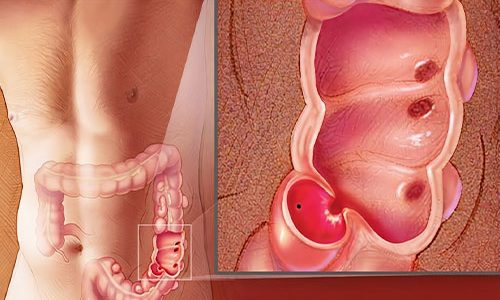
A key feature of Crohn’s disease is that inflammation may be transmural, meaning it can extend through the full thickness of the bowel wall. This deeper inflammation can lead to complications such as strictures, fistulas, abscesses, bowel obstruction, and perianal disease.
Crohn’s disease often appears in patchy areas, known as skip lesions. This means inflamed sections may be separated by areas of normal bowel. Symptoms may include chronic diarrhoea, right lower abdominal pain, bloating, fatigue, loss of appetite, unintended weight loss, mouth ulcers, and sometimes blood or mucus in the stool.
What Is Ulcerative Colitis?
Ulcerative colitis affects the large intestine, specifically the colon and rectum. Unlike Crohn’s disease, ulcerative colitis does not usually affect the small intestine except in limited cases where inflammation may extend slightly into the end of the small bowel.
Ulcerative colitis mainly affects the mucosa, which is the innermost lining of the colon. This is called mucosal inflammation. The condition usually begins in the rectum and may extend continuously upward through part or all of the colon. This continuous pattern is one of the main differences between ulcerative colitis and Crohn’s disease.
Common symptoms of ulcerative colitis include bloody diarrhoea, rectal bleeding, urgency, tenesmus, which is the feeling of needing to pass stool even after the bowel is empty, lower abdominal cramps, fatigue, fever during severe flares, and weight loss.
Key Differences Between Crohn’s Disease and Ulcerative Colitis
The most important difference is location. Crohn’s disease can affect any part of the digestive tract, while ulcerative colitis is limited to the colon and rectum.
The second difference is the depth of inflammation. Crohn’s disease may involve the full thickness of the bowel wall, while ulcerative colitis usually affects only the inner mucosal lining.
The third difference is the pattern of inflammation. Crohn’s disease often has skip lesions, meaning normal and inflamed bowel segments may alternate. Ulcerative colitis usually causes continuous inflammation starting from the rectum.
The fourth difference is the type of complications. Crohn’s disease is more commonly associated with fistulas, abscesses, strictures, and perianal disease. Ulcerative colitis is more commonly associated with continuous rectal bleeding, severe colitis, acute severe colitis and, rarely, toxic megacolon and increased colorectal cancer risk when disease is extensive and long-standing.
Symptoms That Can Overlap
Although Crohn’s disease and ulcerative colitis are different, many symptoms can overlap. Both may cause diarrhoea, abdominal pain, fatigue, low-grade fever, reduced appetite, weight loss, anaemia, and extra-intestinal symptoms.
Extra-intestinal manifestations can affect areas outside the bowel, including the joints, eyes, skin, liver, and bile ducts. Some patients may experience arthritis, uveitis, erythema nodosum, mouth ulcers, or primary sclerosing cholangitis. Because symptoms can overlap, diagnosis should not be based on symptoms alone.
How Are Crohn’s Disease and Ulcerative Colitis Diagnosed?
Diagnosis usually involves a combination of medical history, physical examination, blood tests, stool tests, endoscopy, colonoscopy, biopsy, and imaging.
Blood tests may check for anaemia, infection, inflammatory markers such as C-reactive protein (CRP) and erythrocyte sedimentation rate (ESR) and nutritional deficiencies. Stool tests may help exclude infection and may include faecal calprotectin, a marker of intestinal inflammation.
Colonoscopy with biopsy is one of the most important investigations. It allows the doctor to view the bowel lining, identify ulceration or inflammation, and take tissue samples for histopathology. Imaging such as MRI enterography, CT enterography, or ultrasound may be used, especially when Crohn’s disease affecting the small bowel is suspected.
Treatment Approaches
Treatment depends on the diagnosis, disease severity, location, complications, and patient health profile. The goal is to reduce inflammation, control symptoms, achieve remission, prevent complications, and improve quality of life.
Common treatments may include aminosalicylates, corticosteroids for short-term flare control, immunomodulators, biologic therapy, small molecule medications, nutritional therapy, and supportive treatment for anaemia or deficiencies.
Surgery may be needed in some cases. In ulcerative colitis,Total proctocolectomy is considered curative for colonic disease in ulcerative colitis, although extra-intestinal manifestations may persist in some patients. In Crohn’s disease, surgery can treat complications such as strictures or fistulas, but inflammation may recur in another area of the gastrointestinal tract.
When to Seek Medical Advice
You should seek medical review if you experience persistent diarrhoea, blood in the stool, unexplained weight loss, ongoing abdominal pain, recurrent fever, severe fatigue, or symptoms that keep returning. Urgent care is required for severe abdominal pain, dehydration, heavy rectal bleeding, persistent vomiting, fainting, or abdominal swelling.
Early diagnosis is important because untreated IBD can lead to bowel damage, nutritional problems, and long-term complications.
How Shafimed Can Help
At Shafimed, we provide online medical consultations for patients experiencing digestive symptoms such as chronic diarrhoea, abdominal pain, rectal bleeding, bloating, fatigue, and unexplained weight loss. Our healthcare team can assess your symptoms, review your medical history, advise on appropriate investigations, and guide you toward specialist referral when needed.
Final Thoughts
Crohn’s disease and ulcerative colitis are both forms of inflammatory bowel disease, but they differ in location, depth, pattern of inflammation, and possible complications. Crohn’s disease can affect any part of the gastrointestinal tract and may involve the full bowel wall, while ulcerative colitis is limited to the colon and rectum and usually affects the inner lining continuously.
If you have ongoing bowel symptoms or warning signs such as blood in the stool, persistent diarrhoea, weight loss, or abdominal pain, early medical assessment can make a significant difference. Book an online consultation with Shafimed for professional guidance and personalised care.
What is the main difference between Crohn’s disease and ulcerative colitis?
Crohn’s disease can affect any part of the digestive tract, while ulcerative colitis only affects the colon and rectum.
Can Crohn’s disease and ulcerative colitis cause the same symptoms?
Yes, both can cause diarrhoea, abdominal pain, fatigue, weight loss, and blood in the stool, so medical testing is needed for diagnosis.
HIs inflammatory bowel disease the same as irritable bowel syndrome?
No, inflammatory bowel disease causes bowel inflammation and tissue damage, while irritable bowel syndrome does not cause visible inflammation.
How are Crohn’s disease and ulcerative colitis diagnosed?
Diagnosis may involve blood tests, stool tests, colonoscopy, biopsy, and imaging to assess inflammation and bowel involvement.
When should I see a doctor for possible IBD symptoms?
Seek medical advice if you have persistent diarrhoea, rectal bleeding, unexplained weight loss, ongoing abdominal pain, or recurring bowel symptoms.