
Coeliac disease is a chronic autoimmune enteropathy triggered by gluten intake in genetically susceptible individuals. Gluten is a protein found in wheat, barley, rye, and related grains. In people with coeliac disease, eating gluten causes an abnormal immune response that damages the lining of the small intestine, particularly the villi — the tiny finger-like projections responsible for nutrient absorption.
At Shafimed, we encourage patients to seek medical advice if they experience ongoing digestive symptoms, unexplained anaemia, weight loss, fatigue, or symptoms that worsen after eating gluten-containing foods. Early diagnosis and correct dietary management can help prevent long-term complications and support better digestive and overall health.
What Is Coeliac Disease?
Coeliac disease is not a food allergy or simple gluten sensitivity. It is an immune-mediated condition in which gluten exposure activates inflammation in the small bowel mucosa. Over time, this inflammation can lead to villous atrophy, crypt hyperplasia, and malabsorption of essential nutrients such as iron, folate, calcium, vitamin B12, and vitamin D.
The condition can affect both children and adults. Some people develop clear gastrointestinal symptoms, while others present with non-digestive symptoms or may have minimal symptoms despite intestinal damage. Because the presentation can be variable, coeliac disease is sometimes underdiagnosed or mistaken for irritable bowel syndrome, food intolerance, or chronic indigestion.
Common Symptoms of Coeliac Disease
The symptoms of coeliac disease can vary depending on age, severity of intestinal inflammation, and the degree of nutrient malabsorption. Gastrointestinal symptoms may include chronic diarrhoea, abdominal bloating, flatulence, abdominal pain, nausea, constipation, greasy or foul-smelling stools, and unexplained weight loss.
Some patients may also experience alternating bowel habits, reduced appetite, early satiety, or persistent indigestion. In children, coeliac disease may affect growth and development, causing poor weight gain, delayed puberty, irritability, or short stature.
Because symptoms can overlap with other digestive conditions, medical assessment is important before starting a gluten-free diet.
Non-Digestive Symptoms and Complications
Coeliac disease can also cause symptoms outside the digestive system. These may include iron-deficiency anaemia, chronic fatigue, mouth ulcers, headaches, brain fog, joint pain, low bone mineral density, osteoporosis, infertility, recurrent miscarriage, and peripheral neuropathy.
A specific skin condition called dermatitis herpetiformis may also occur. This is an itchy, blistering rash linked to gluten-triggered immune activity. It commonly affects areas such as the elbows, knees, scalp, back, or buttocks.
If untreated, coeliac disease may increase the risk of nutritional deficiencies, osteoporosis, infertility, neurological symptoms, and, rarely, certain intestinal lymphomas. The good news is that strict gluten-free management can significantly reduce these risks.
How Coeliac Disease Is Diagnosed
Diagnosis should be made through proper clinical assessment and testing. It is important not to stop eating gluten before testing, as removing gluten too early can lead to false-negative blood results or biopsy findings.
The first step often includes coeliac serology, especially IgA anti-tissue transglutaminase antibodies commonly known as tTG-IgA. Total IgA levels may also be checked because IgA deficiency can affect test accuracy. In some cases, additional antibody tests such as endomysial antibodies or deamidated gliadin peptide antibodies may be requested.
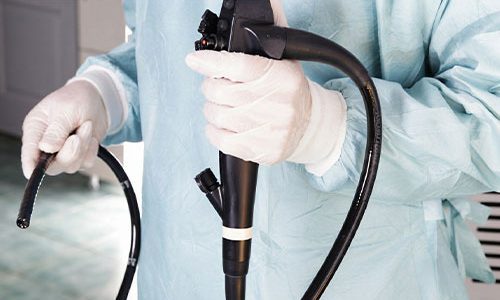
If blood tests suggest coeliac disease, a specialist may recommend upper gastrointestinal endoscopy with multiple duodenal biopsies, including samples from the duodenal bulb where appropriate. This allows direct assessment of the small intestinal lining and can identify typical histological changes such as villous atrophy and increased intraepithelial lymphocytes.
Who Should Consider Testing?
Testing may be recommended for people with chronic gastrointestinal symptoms, unexplained iron-deficiency anaemia, persistent fatigue, unexplained weight loss, recurrent mouth ulcers, osteoporosis at a young age, infertility, or dermatitis herpetiformis.
People with a family history of coeliac disease may also need screening, as first-degree relatives have a higher risk. Coeliac disease is also more common in people with certain autoimmune conditions, including type 1 diabetes mellitus, autoimmune thyroid disease, and autoimmune liver disease.
At Shafimed, your doctor can review your symptoms, risk factors, family history, and previous test results to decide whether coeliac screening is appropriate.
Gluten-Free Management
The main treatment for coeliac disease is a strict, lifelong gluten-free diet. This means avoiding all foods that contain wheat, barley, rye, and foods contaminated with gluten during processing or preparation. Even small amounts of gluten may trigger intestinal inflammation, even if symptoms are mild or absent.
Foods that commonly contain gluten include regular bread, pasta, cakes, biscuits, pastries, cereals, noodles, some sauces, battered foods, and processed products containing wheat-based thickeners. Patients should carefully check food labels and look for hidden gluten in seasonings, soups, dressings, and packaged meals.
Naturally gluten-free foods include rice, corn, potatoes, quinoa, fruit, vegetables, eggs, meat, fish, poultry, legumes, nuts, seeds, and most dairy products if tolerated.
Preventing Cross-Contact
Cross-contact is a major concern for people with coeliac disease. Gluten-free food can become unsafe if it comes into contact with breadcrumbs, shared toasters, chopping boards, utensils, fryers, or preparation surfaces.
At home, patients may need separate spreads, toaster bags or a dedicated toaster, clean cooking surfaces, and careful storage of gluten-free products. When eating out, it is important to ask about ingredients, food preparation methods, and shared equipment.
A dietitian experienced in coeliac disease can help patients follow a nutritionally balanced gluten-free diet while avoiding deficiencies.
Monitoring and Long-Term Care
After diagnosis, follow-up is important to monitor symptom improvement, nutritional status, and adherence to the gluten-free diet. Your doctor may recommend repeat blood tests to assess antibody levels, iron studies, vitamin B12, folate, vitamin D, calcium, liver function, and thyroid function, where clinically indicated.
Some patients may require bone density assessment, especially if they have osteoporosis risk factors or long-standing, untreated disease. If symptoms persist despite a gluten-free diet, further evaluation may be needed to assess for accidental gluten exposure, lactose intolerance, irritable bowel syndrome, inflammatory bowel disease, or other gastrointestinal conditions.
How Shafimed Can Help
At Shafimed, we provide online medical consultations for patients experiencing digestive symptoms, suspected food-related conditions, nutritional concerns, or ongoing abdominal complaints. Our healthcare team can assess your symptoms, recommend appropriate investigations, explain test results, and guide you on the next steps, including referral to a gastroenterologist or dietitian when needed.
Final Thoughts
Coeliac disease is a lifelong autoimmune condition, but with early diagnosis and strict gluten-free management, most people can achieve symptom improvement and intestinal healing. If you have persistent digestive symptoms, unexplained anaemia, fatigue, weight loss, or concerns about gluten-related illness, schedule an online consultation with Shafimed for professional medical guidance and personalised care.
What is coeliac disease?
Coeliac disease is a chronic autoimmune condition where gluten triggers inflammation and damage in the small intestine.
What are the common symptoms of coeliac disease?
Common symptoms include diarrhoea, bloating, abdominal pain, fatigue, weight loss, constipation, and iron-deficiency anaemia.
How is coeliac disease diagnosed?
Diagnosis usually involves coeliac blood tests such as tTG-IgA and may require an endoscopy with duodenal biopsy.
Should I stop eating gluten before testing?
No, you should not stop gluten before testing, as this may affect blood test and biopsy results.
What foods should be avoided with coeliac disease?
People with coeliac disease should avoid wheat, barley, rye, and any foods contaminated with gluten.
Can coeliac disease cause symptoms outside the gut?
Yes, it may cause fatigue, anaemia, mouth ulcers, joint pain, osteoporosis, infertility, and dermatitis herpetiformis.
Is coeliac disease the same as gluten intolerance?
SNo, coeliac disease is an autoimmune condition, while gluten intolerance does not usually cause autoimmune intestinal damage.