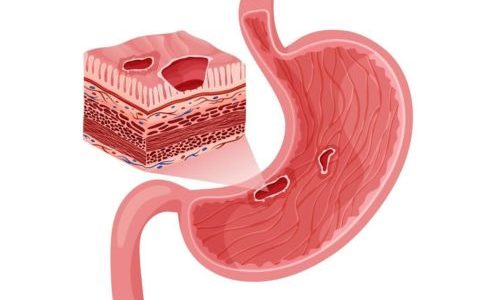
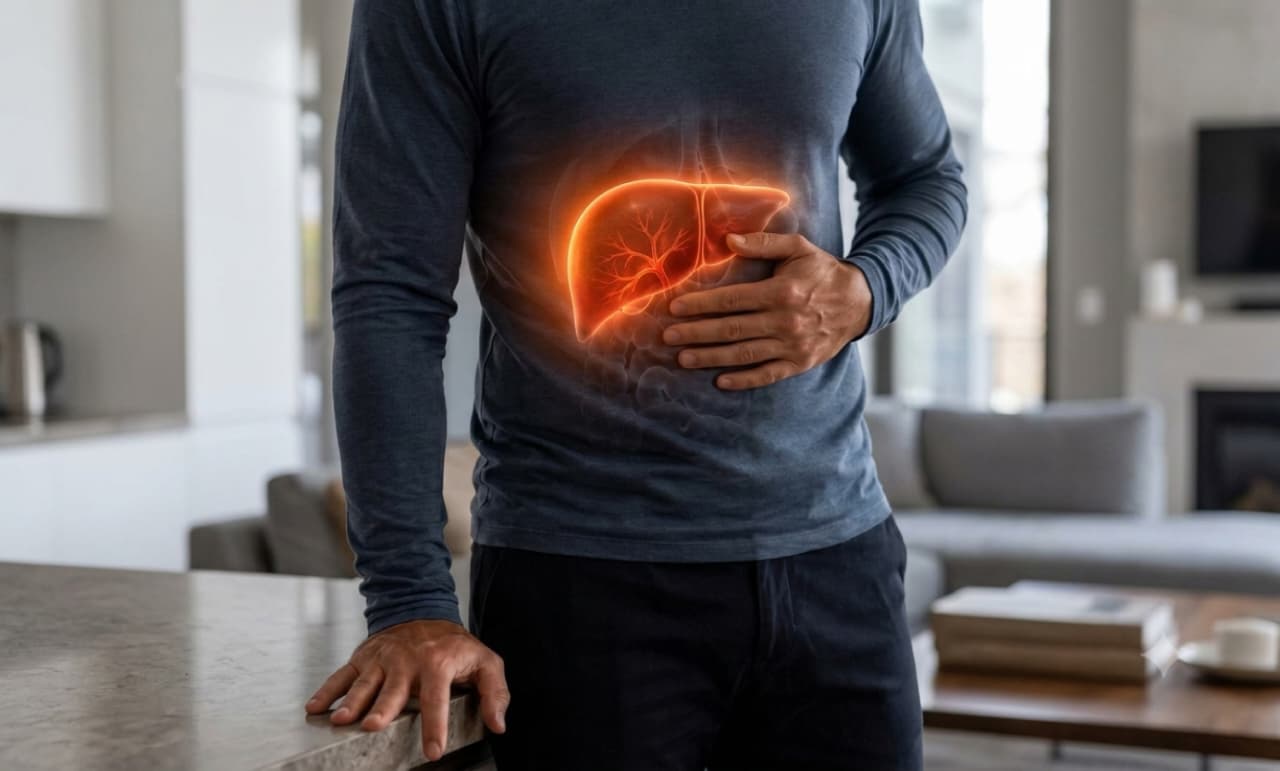
Fatty liver disease is one of the most common liver conditions seen today, often developing silently without obvious symptoms in the early stages. Medically, it refers to the abnormal accumulation of fat within liver cells, known as hepatic steatosis. When this fat build-up is associated with metabolic risk factors such as obesity, insulin resistance, type 2 diabetes, high cholesterol, or high blood pressure, it is now commonly referred to as Metabolic dysfunction-associated steatotic liver disease (MASLD). At Shafimed, we believe that early awareness, timely diagnosis, and preventive lifestyle changes can make a significant difference in protecting long-term liver health.
What Is Fatty Liver Disease?
The liver plays a vital role in digestion, metabolism, detoxification, and energy storage. A healthy liver contains little or no excess fat. However, when fat accumulates in liver cells, it can impair normal liver function.
Fatty liver disease may remain mild in some people, but in others it can progress to steatohepatitis, which means fat accumulation with liver inflammation. The accepted nomenclature is:
Metabolic-dysfunction-associated steatohepatitis (MASH)
or, according to the newer consensus,
Metabolically-dysfunction-associated steatotic liver disease (MASLD) → MASH when inflammation is present. If inflammation continues over time, it may lead to fibrosis or liver scarring. Advanced scarring can progress to cirrhosis, which is a serious and often irreversible stage of chronic liver disease.
Why Fatty Liver Disease Often Goes Undetected
One of the main concerns with fatty liver disease is that it often has no clear symptoms in the beginning. Many patients only discover it after routine blood tests show raised liver enzymes, such as ALT and AST, or after an abdominal ultrasound shows fatty changes in the liver.
Because the early symptoms can be vague, people may ignore them or link them to stress, poor sleep, or general tiredness. This is why routine medical check-ups are important, especially for individuals with diabetes, obesity, high cholesterol, or a family history of liver disease.
Early Signs and Symptoms
Although fatty liver disease is often silent, some patients may experience early symptoms. These may include:
Persistent Fatigue
Ongoing tiredness or low energy can occur when the liver is under metabolic stress. This fatigue may not improve fully with rest and may affect daily activities.
Right Upper Abdominal Discomfort
Some people may feel a dull ache, pressure, or heaviness in the upper right side of the abdomen, where the liver is located. This discomfort is usually mild but should be assessed if it continues.
Common Risk Factors
Fatty liver disease is closely connected with metabolic health. Common risk factors include:
Obesity or overweight, particularly abdominal obesity
Type 2 diabetes mellitus or insulin resistance
High triglycerides and abnormal cholesterol levels
Hypertension (high blood pressure)
Polycystic ovary syndrome, also known as PCOS
Sedentary lifestyle
High intake of sugary drinks and processed foods
Excess alcohol consumption
People over 50 years of age, those with diabetes, and individuals with metabolic syndrome are at greater risk of more advanced forms of fatty liver disease.
How Fatty Liver Disease Is Diagnosed
A doctor may recommend several investigations depending on symptoms and risk factors. These may include liver function tests, fasting blood glucose, HbA1c, lipid profile, and viral hepatitis screening when required.
Imaging tests, such as abdominal ultrasound, can detect fat accumulation in the liver. In some cases, a FibroScan or elastography test may be advised to assess liver stiffness and check for fibrosis. Further specialist evaluation may be required if there are signs of advanced liver disease or persistent abnormal results.
Prevention Through Healthy Eating
A balanced diet is one of the most important steps in preventing and managing fatty liver disease. Patients are encouraged to reduce foods high in saturated fat, refined carbohydrates, and added sugar.
A liver-friendly diet should include vegetables, fruits, whole grains, legumes, lean protein, fish, nuts, seeds, and healthy fats such as olive oil. Reducing sugary drinks, packaged juices, desserts, fried foods, and ultra-processed meals can help lower fat accumulation in the liver.
A Mediterranean-style eating pattern is commonly recommended because it supports liver health, heart health, and better metabolic control.
Exercise and Weight Management
Regular physical activity helps improve insulin sensitivity, reduce liver fat, and support healthy weight management. Brisk walking, cycling, swimming, strength training, or any consistent movement can benefit liver health.
For patients who are overweight, gradual weight loss can significantly improve fatty liver disease. Even modest weight reduction may help reduce hepatic steatosis, while greater weight loss may improve inflammation and fibrosis risk.
Limit Alcohol and Avoid Unnecessary Medication
Alcohol can worsen liver inflammation and increase the risk of liver damage. Patients with fatty liver disease should discuss alcohol consumption with their doctor. In many cases, reducing or completely avoiding alcohol is recommended. It is also important to avoid unnecessary medicines, herbal products, or supplements without medical advice, as some substances may affect liver function.
When to See a Doctor
You should seek medical advice if you experience persistent fatigue, abdominal discomfort, unexplained weight changes, yellowing of the skin or eyes, dark urine, abdominal swelling, or abnormal liver test results. These signs may indicate liver dysfunction and should not be ignored.
Final Thoughts
Fatty liver disease is common, but it is also highly preventable and manageable when detected early. With timely screening, lifestyle modification, weight management, diabetes control, and regular medical follow-up, many patients can improve their liver health and reduce the risk of serious complications.
At Shafimed, our healthcare team is committed to helping patients identify early warning signs, manage risk factors, and take practical steps toward better liver and overall health.
Frequently Asked Questions
1. What is fatty liver disease?
Fatty liver disease is a condition in which excess fat builds up in the liver cells, a condition medically known as hepatic steatosis.
2. What are the early signs of fatty liver disease?
Early signs may include fatigue, right upper abdominal discomfort, weakness, and abnormal liver function test results.
3. Can fatty liver disease be reversed?
Yes, in many cases, fatty liver disease can improve with weight management, healthy eating, regular exercise, and control of diabetes or cholesterol.
4. What foods should be avoided with fatty liver disease?
Sugary drinks, fried foods, processed meals, refined carbohydrates, and foods high in saturated fat should be limited.
5. When should I see a doctor for fatty liver disease?
You should see a doctor if you have persistent tiredness, abdominal pain, yellowing of the skin or eyes, or abnormal liver test results.