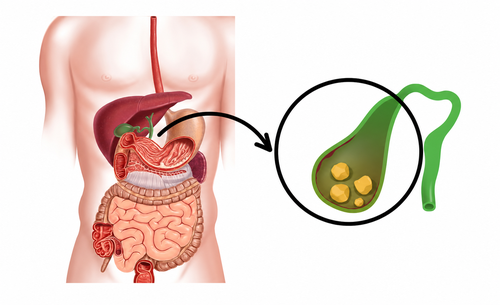
Gallstones are hardened deposits that form inside the gallbladder, a small, pear-shaped organ located beneath the liver. The gallbladder stores bile, a digestive fluid produced by the liver that helps digesting and absorb fats. Gallstones vary in size and number. Some people develop one stone, while others develop several. The medical term for gallstones is cholelithiasis.
Many gallstones remain “silent” and cause no symptoms. Problems arise when a stone blocks the cystic duct or common bile duct, interrupting the normal flow of bile. This can cause severe pain and may lead to inflammation, infection, jaundice or pancreatitis.
Types of Gallstones
There are two main types of gallstones:
Cholesterol gallstones are usually yellow-green and are the most common type. They form when bile contains more cholesterol than it can dissolve, when there are insufficient bile salts or when the gallbladder does not empty effectively.
Pigment gallstones are dark brown or black and primarily contain bilirubin. Bilirubin is produced when red blood cells are broken down. These stones may be associated with certain liver disorders, biliary tract infections or blood conditions that increase red blood cell destruction.
Common Symptoms of Gallstones
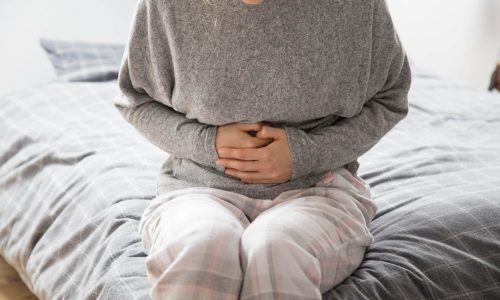
Most people with gallstones do not experience symptoms and may only discover them during imaging performed for another reason. Symptomatic gallstones typically cause biliary colic, also called a gallbladder attack. This occurs when a stone temporarily obstructs a bile duct.
The pain usually develops suddenly in the upper-right or upper-middle abdomen. It may become intense, remain steady and spread to the right shoulder or between the shoulder blades. Episodes may last from several minutes to several hours and often occur after a heavy or fatty meal. Nausea, vomiting, sweating, bloating and indigestion may accompany the pain.
Warning Signs and Complications
Persistent obstruction can cause serious complications. Acute cholecystitis is inflammation of the gallbladder, usually caused by prolonged blockage of the cystic duct. Symptoms may include continuous right-upper abdominal pain, fever, nausea, vomiting and tenderness.
A stone in the common bile duct, known as choledocholithiasis, may cause jaundice, dark urine, pale stools, itching and abnormal liver test results. Infection of the bile ducts is called acute cholangitis and can become life-threatening. Gallstones may also block the pancreatic duct and cause acute pancreatitis.
Seek urgent medical attention for severe or persistent abdominal pain, fever or chills, yellowing of the skin or eyes, repeated vomiting, confusion, or pain so intense that it is difficult to sit still or find a comfortable position.
What Causes Gallstones?
Gallstones form when the chemical balance of bile changes or when the gallbladder does not empty completely. Cholesterol stones may develop when bile contains excessive cholesterol or when concentrated bile remains in the gallbladder for too long. Pigment stones develop when bile contains excessive bilirubin.
Factors associated with a higher risk include being female, increasing age, pregnancy, obesity, rapid weight loss, prolonged fasting, family history, diabetes and certain liver or blood disorders. Some medicines and weight-loss procedures can also increase the risk. However, having one or more risk factors does not mean a person will necessarily develop gallstones.
How Are Gallstones Diagnosed?
Diagnosis begins with a medical history and physical examination. The clinician will assess the location, duration and pattern of pain and check for signs of inflammation or jaundice.
An abdominal ultrasound is commonly the first imaging test because it can identify stones in the gallbladder and signs of inflammation. Blood tests may show signs of infection, inflammation, liver dysfunction, or pancreatic involvement. Additional investigations may include magnetic resonance cholangiopancreatography, endoscopic ultrasound, computed tomography or hepatobiliary imaging.
Endoscopic retrograde cholangiopancreatography, commonly called ERCP, can be used to diagnose and remove stones lodged in the common bile duct.
Treatment Options for Gallstones
Silent gallstones usually do not require treatment. A healthcare professional may recommend monitoring and explain which symptoms should prompt medical review.
For recurrent symptoms or complications, the standard definitive treatment is cholecystectomy, which means surgical removal of the gallbladder. Most procedures are performed laparoscopically through several small incisions. Open surgery may be required in complicated cases. The gallbladder is not essential for survival; after removal, bile flows directly from the liver into the small intestine.
When stones are present in the common bile duct, ERCP may be used to extract them before or around the time of gallbladder surgery. Pain medicines, intravenous fluids, antibiotics when infection is suspected, and treatment for associated pancreatitis may also be required.
For people who cannot undergo surgery, selected cholesterol stones may sometimes be treated with bile-acid medicines such as ursodeoxycholic acid. Dissolution can take months or years, does not work for every stone, and gallstones may return. Shock-wave treatment is now used only in limited circumstances.
Can Gallstones Be Prevented?
Not every case is preventable, but maintaining a healthy weight, exercising regularly, eating balanced meals and avoiding crash diets may reduce the risk. Weight loss should be gradual because rapid weight reduction can promote gallstone formation.
People with symptoms may be advised to identify foods that trigger attacks, eat regular meals and avoid large or high-fat meals. However, dietary changes cannot remove gallstones that have already formed.
When to Consult Shafimed
Recurrent upper abdominal pain should not be ignored. Early assessment can help distinguish gallstones from other gastrointestinal, liver, cardiac or pancreatic conditions. Shafimed healthcare professionals can evaluate your symptoms, arrange appropriate investigations and recommend an individualised treatment plan.
Frequently Asked Questions
What are the most common symptoms of gallstones?
Many gallstones do not cause symptoms. When a gallstone blocks a bile duct, it may cause sudden and severe pain in the upper-right or upper-middle abdomen. The pain may spread to the right shoulder or back and may be accompanied by nausea, vomiting, bloating or indigestion.
What causes gallstones to develop?
Gallstones can form when bile contains excessive cholesterol or bilirubin, or when the gallbladder does not empty properly. Obesity, pregnancy, rapid weight loss, increasing age, diabetes, family history and certain liver or blood disorders may increase the risk.
How are gallstones diagnosed?
Gallstones are commonly diagnosed using an abdominal ultrasound. A healthcare professional may also order blood tests to check for infection, inflammation or problems involving the liver and pancreas. Additional tests, such as magnetic resonance cholangiopancreatography, endoscopic ultrasound or ERCP, may be required.
Do all gallstones require treatment?
Gallstones that do not cause symptoms usually do not require treatment. However, recurrent gallbladder attacks, inflammation, infection, jaundice or pancreatitis may require medical intervention. Treatment depends on the location of the stones, the severity of symptoms and the patient’s overall health.
What is the most effective treatment for gallstones?
The most effective treatment for recurrent or complicated gallstones is usually surgical removal of the gallbladder, known as a cholecystectomy. Most procedures are performed laparoscopically. Stones located in the common bile duct may be removed using ERCP before or around the time of surgery.