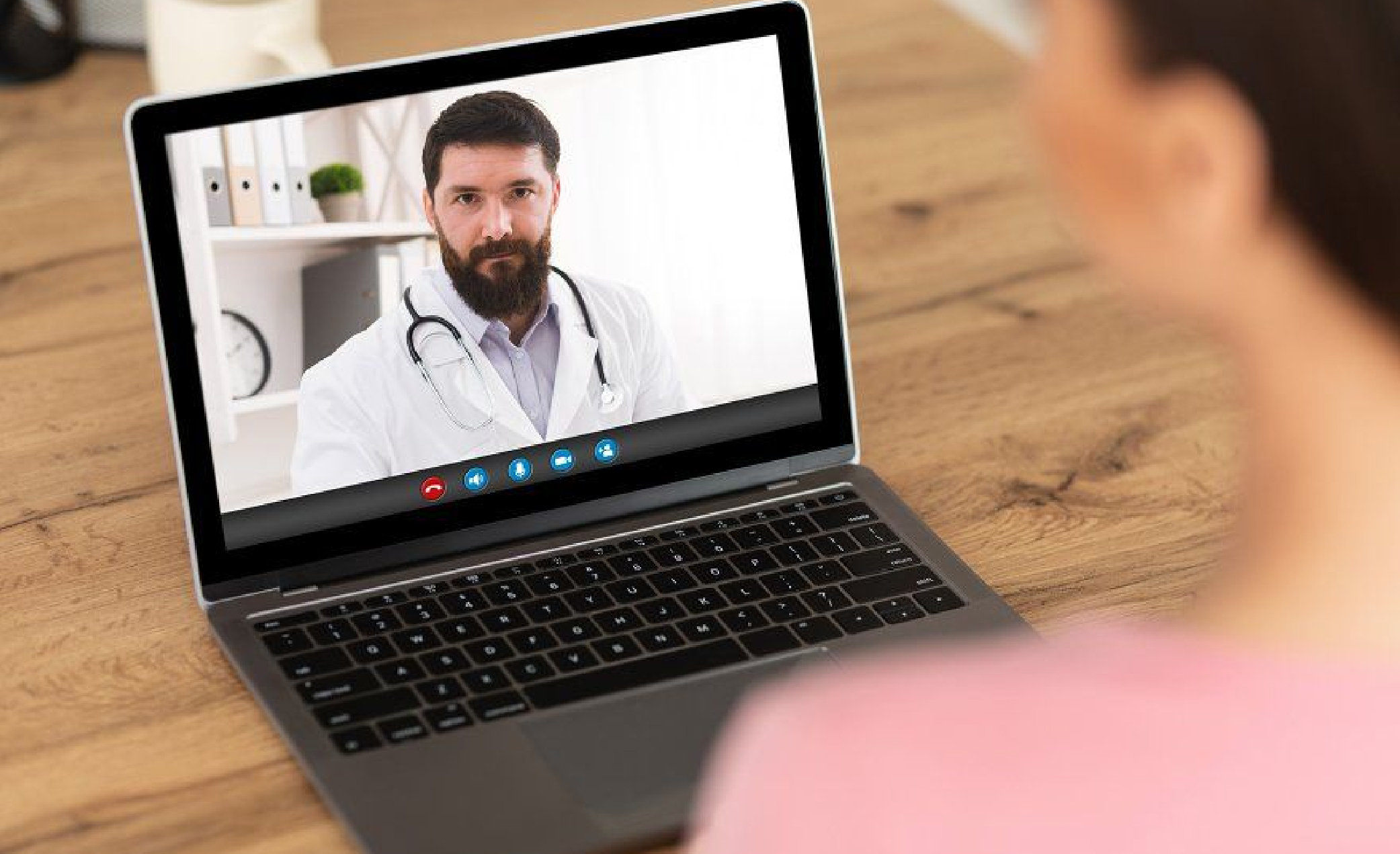
Online medical appointments, also known as telehealth consultations or virtual healthcare visits, have become an increasingly important part of modern healthcare delivery. They offer patients a convenient and effective way to speak with qualified healthcare professionals from the comfort of home, without the need to travel to a clinic or hospital.
Whether you are booking a consultation for a general health concern, follow-up care, medication review, specialist advice, or preventive health support, proper preparation can help you get the most value from your appointment. Just like an in-person consultation, an online medical appointment works best when you are organised, informed, and ready to discuss your symptoms or concerns clearly.
In this guide, we explain how to prepare for an online medical appointment so your telehealth experience is smooth, productive, and medically effective.
Why Preparation Matters for a Telehealth Appointment
A virtual consultation may feel more casual than attending a physical clinic, but it still requires the same level of medical accuracy and communication. During an online appointment, your doctor relies heavily on the information you provide, including your symptom history, medical background, and any visible signs that can be assessed on video.
Because a physical examination may be limited in a telehealth setting, preparation is especially important. Having the right details ready can help your healthcare provider make a more accurate assessment, offer appropriate advice, and decide whether you need further testing, treatment, or an in-person review.
Proper preparation can also help reduce technical interruptions, save time, and improve patient confidence throughout the consultation.
Choose a Quiet and Private Space
Before your online appointment begins, choose a location where you can speak openly and comfortably. Privacy is essential when discussing personal health matters such as symptoms, medications, mental health concerns, sexual health, chronic disease management, or family medical history.
Select a quiet room with minimal background noise and good lighting. If your consultation includes a video, make sure your face is clearly visible, and the camera is positioned at eye level. This can help the doctor observe visual signs such as facial expression, skin changes, swelling, respiratory effort, or general appearance.
A private environment also helps you focus better and ensures confidentiality during the consultation.
Check Your Internet Connection and Device in Advance
Technical issues are among the most common reasons for delays or disruptions in telehealth consultations. To avoid unnecessary stress, test your internet connection, microphone, speaker, and camera before the appointment starts.
You may use a smartphone, tablet, laptop, or desktop computer, depending on the telehealth platform provided by the clinic. Make sure your device is fully charged or plugged into a power source, and confirm that any required application or video link is working properly.
If your healthcare provider has sent a link via email or text message, open it in advance to ensure you can access the consultation portal. Logging in a few minutes early is always a good idea.
Have Your Medical Information Ready
One of the most important steps in preparing for an online medical appointment is gathering your key health information in advance. This helps your doctor assess your condition more efficiently and reduces the risk of missing important details during the consultation.
You should have the following information ready:
Current Medications
Prepare a list of all medicines you are currently taking, including:
- Prescription medications
- Over-the-counter medicines
- Vitamins and supplements
- Herbal products
- Topical treatments
- Inhalers or injections
Include the medication name, dosage, and how often you take it. This is particularly important for patients with chronic illnesses, multiple medications, or ongoing treatment plans.
Medical History
Be ready to mention any relevant medical conditions such as:
- Diabetes mellitus
- Hypertension
- Asthma
- Cardiovascular disease
- Thyroid disorders
- Anxiety or depression
- Previous surgeries
- Allergies to medicines or foods
Your clinician may also ask about previous hospital admissions, recent infections, vaccinations, or significant family history.
Recent Test Results
If you have had recent blood tests, imaging scans, pathology reports, discharge summaries, or specialist letters, keep them nearby. These documents may support clinical decision-making during your appointment.
Write Down Your Symptoms Clearly
Before the consultation, take a few minutes to write down your symptoms and concerns. Patients often forget important details once the appointment begins, especially if they are anxious, unwell, or discussing multiple issues.
Try to note:
- When the symptoms started
- Whether they are improving, worsening, or unchanged
- The severity of symptoms
- Any triggers or relieving factors
- Associated symptoms
- Whether the problem is new or ongoing
For example, instead of simply saying “I have pain,” it is more helpful to describe:
- Where the pain is located
- Whether it is sharp, dull, burning, or cramping
- How often it occurs
- What makes it worse or better
- Whether it affects sleep, movement, eating, or daily activities
This structured symptom history helps the doctor perform a more accurate clinical assessment.
Prepare Questions You Want to Ask
A successful online medical appointment is not only about answering the doctor’s questions. It is also your opportunity to ask for clarification, guidance, and reassurance.
You may want to write down questions such as:
- What might be causing my symptoms?
- Do I need further tests?
- Is this condition urgent?
- What treatment options are available?
- Are there any warning signs I should watch for?
- When should I seek in-person care?
- How should I take my prescribed medication?
Take Basic Health Measurements if Relevant
Depending on the reason for your appointment, it may be helpful to have certain home health measurements ready. These can provide useful clinical information during a telehealth review.
Examples include:
- Body temperature
- Blood pressure
- Blood glucose readings
- Heart rate
- Oxygen saturation
- Weight
Be Ready to Discuss Lifestyle and Daily Function
Many health conditions are influenced by lifestyle, habits, and daily routine. During your online appointment, your doctor may ask about sleep, diet, hydration, physical activity, smoking status, alcohol intake, stress levels, or occupational factors.
For example, if you are seeking help for fatigue, headaches, high blood pressure, gastrointestinal symptoms, or mental health concerns, these details may be clinically relevant. Providing honest and accurate answers helps the clinician understand the full picture and recommend the most appropriate care plan.
Know the Limits of an Online Medical Consultation
Telehealth is highly effective for many healthcare needs, but it does have limitations. In some cases, a doctor may determine that you require a physical examination, diagnostic testing, or urgent in-person assessment.
Online consultations are often suitable for:
- General medical advice
- Follow-up appointments
- Prescription reviews
- Chronic disease management
- Mental health support
- Discussion of test results
- Minor illnesses and non-emergency concerns
Keep a Pen and Notebook Nearby
It is easy to forget medical instructions once the appointment ends, especially if you are given several recommendations. Keep a pen and notebook with you so you can write down:
- Diagnosis or likely cause of symptoms
- Medication instructions
- Follow-up plan
- Tests requested
- Red flag symptoms
- Referrals or specialist advice
Have Your Pharmacy and Personal Details Ready
Your doctor may need to confirm your identity, date of birth, contact number, address, and preferred pharmacy. Having these details ready can make the consultation more efficient, especially if a prescription, referral, or medical certificate is being arranged.
If you are seeing a healthcare provider for the first time, you may also need identification or insurance details, depending on the clinic’s requirements.
Final Thoughts
Online healthcare offers convenience, accessibility, and timely support, but good preparation remains essential for accurate assessment and meaningful clinical advice. Whether your concern is simple or complex, taking a few practical steps beforehand can help ensure your appointment is efficient, informative, and reassuring.
At Shafimed, we believe virtual healthcare should be both convenient and clinically effective. By preparing in advance, patients can make the most of their online consultation and receive the support they need with confidence.
Frequently Asked Questions
Can a doctor diagnose medical conditions through an online consultation?
Yes, many medical concerns can be assessed during an online consultation. However, if a physical examination, imaging, or urgent in-person care is needed, your doctor may recommend a face-to-face appointment.
What are the benefits of preparing in advance for a virtual doctor appointment?
Preparing in advance helps you communicate your symptoms clearly, avoid forgetting important details, reduce delays, and make your telehealth consultation more efficient and productive.
Is an online medical appointment suitable for all health problems?
Online medical appointments are suitable for many non-emergency concerns, follow-up reviews, prescription advice, and chronic disease management. For serious or emergency symptoms, immediate in-person medical care is necessary.