
Acidity and heartburn are among the most common gastrointestinal complaints seen in clinical practice. Many people experience a burning sensation in the chest, a sour taste in the mouth, upper abdominal discomfort, or symptoms that worsen after meals. Although occasional episodes may occur after dietary indiscretion, persistent or recurrent symptoms may indicate an underlying digestive disorder that requires medical evaluation.
On a medical level, heartburn is most commonly associated with gastroesophageal reflux, a condition in which acidic stomach contents move upward into the oesophagus. Acidity is often used as a general term by patients to describe excess gastric acid, acid reflux, or irritation of the stomach lining. Understanding the common causes can help patients recognise triggers early and seek appropriate care when necessary.
Understanding Acidity and Heartburn
The stomach normally produces hydrochloric acid to assist in digestion and to break down food efficiently. A muscular valve called the lower oesophageal sphincter (LES) acts as a barrier between the oesophagus and the stomach. When this valve weakens or relaxes inappropriately, gastric contents can reflux into the oesophagus, causing irritation and the typical burning discomfort known as heartburn.
Unlike the stomach lining, the oesophageal lining is not designed to tolerate repeated exposure to acid. As a result, even mild reflux can produce significant symptoms in some individuals. Frequent reflux may also lead to gastroesophageal reflux disease (GERD), a chronic condition that may affect quality of life and, in some cases, lead to complications if left untreated.
Dietary Triggers
Certain foods and beverages are well known to precipitate acidity and heartburn. Spicy meals, fatty foods, fried items, citrus fruits, tomato-based products, chocolate, caffeinated drinks, and carbonated beverages are common triggers. These substances may either increase gastric acid secretion, delay gastric emptying, or relax the lower oesophageal sphincter, thereby promoting reflux.
High-fat meals are particularly problematic because they remain in the stomach for longer periods and increase intragastric pressure. This combination makes reflux more likely. While trigger foods vary from person to person, careful observation of dietary patterns often helps identify foods that worsen symptoms.
Overeating and Irregular Meal Patterns
Meal size and timing play a major role in reflux-related symptoms. Consuming large meals can distend the stomach and increase pressure against the lower oesophageal sphincter. This makes the backward flow of gastric contents into the oesophagus more likely.
Irregular eating habits, skipping meals, or eating late at night may also contribute to acidity. Late-evening meals are particularly associated with nocturnal reflux, as patients often lie down soon after eating. In this position, gravity no longer helps keep stomach contents in place, increasing the risk of reflux episodes during sleep.
Obesity and Increased Intra-Abdominal Pressure
Excess body weight is an important risk factor for acidity and heartburn. Individuals with central obesity often have increased intra-abdominal pressure, which places pressure on the stomach and promotes reflux of gastric acid into the oesophagus. Obesity is strongly associated with GERD and may also contribute to more persistent and treatment-resistant symptoms.
Weight reduction is therefore an important part of long-term management in many patients. Even modest weight loss may improve reflux symptoms and reduce their frequency.
Pregnancy-Related Reflux
Acidity and heartburn are particularly common during pregnancy. This is largely due to two physiological factors. First, hormonal changes, especially increased progesterone levels, cause smooth muscle relaxation, including that of the lower oesophageal sphincter. Second, the enlarging uterus increases pressure on the stomach, encouraging reflux.
Symptoms often become more pronounced in the second and third trimesters. Although reflux in pregnancy is usually temporary, persistent or severe symptoms should still be assessed by a healthcare professional to ensure appropriate and safe treatment.
Smoking and Alcohol Consumption
Smoking is a recognised contributor to reflux and upper gastrointestinal irritation. Nicotine may reduce lower oesophageal sphincter tone, making reflux more likely. Smoking may also impair salivary production, and saliva normally helps neutralise acid within the oesophagus.
Alcohol can similarly aggravate acidity and heartburn by increasing gastric acid secretion, irritating the gastric mucosa, and relaxing the lower oesophageal sphincter. Frequent consumption of alcohol may therefore worsen both reflux symptoms and gastric irritation.
Stress and Functional Gastrointestinal Disturbance
Psychological stress does not always directly increase acid production, but it can worsen symptom perception and aggravate pre-existing gastrointestinal conditions. Stress may also lead to behaviours that indirectly trigger acidity, such as overeating, poor sleep, excessive caffeine intake, or irregular meal timing.
In some individuals, acidity-like symptoms may overlap with functional dyspepsia, a condition characterised by upper abdominal discomfort, bloating, early satiety, and post-meal fullness without a clearly identifiable structural cause. In such cases, a comprehensive medical assessment is important to differentiate reflux from other gastrointestinal disorders.
Medications That May Worsen Symptoms
Certain medications are known to contribute to acidity, gastritis, or reflux. These may include non-steroidal anti-inflammatory drugs (NSAIDs), some antibiotics, corticosteroids, iron supplements, and certain medications used for hypertension or cardiac conditions. Some drugs irritate the gastric lining directly, while others affect the lower oesophageal sphincter function.
Patients who notice worsening symptoms after starting a new medication should consult their doctor rather than discontinuing treatment on their own. In many cases, adjustments can be made to minimise gastrointestinal side effects.
Underlying Medical Conditions
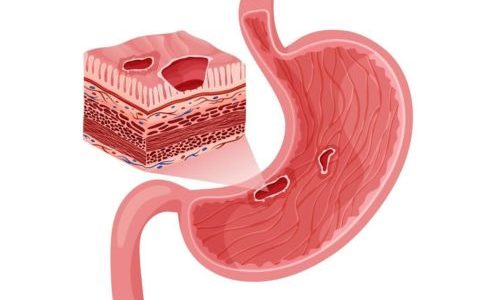
Persistent acidity and heartburn may also arise from specific gastrointestinal disorders. These include GERD, gastritis, hiatal hernia, peptic ulcer disease, and delayed gastric emptying, also known as gastroparesis. In some patients, Helicobacter pylori infection may contribute to upper gastrointestinal symptoms, particularly when gastritis or peptic ulceration is present.
Because the symptoms of reflux, gastritis, and dyspepsia often overlap, recurrent complaints should not be self-diagnosed for long periods. A proper clinical assessment may be needed to determine the exact cause and guide treatment.
When Medical Evaluation Is Important
Occasional heartburn after a heavy meal is common, but frequent or persistent symptoms should not be ignored. Patients should seek medical advice if they experience heartburn multiple times per week, symptoms that disturb sleep, difficulty swallowing, recurrent vomiting, unintentional weight loss, chronic cough, hoarseness, or chest discomfort.
These features may indicate significant reflux disease or another underlying gastrointestinal problem. In some cases, further evaluation such as laboratory testing, endoscopy, or imaging may be recommended depending on the clinical presentation.
Conclusion
Acidity and heartburn may result from a wide range of factors, including dietary triggers, overeating, obesity, pregnancy, smoking, alcohol use, stress, certain medications, and gastrointestinal disorders such as GERD or gastritis. While mild and occasional symptoms may respond to lifestyle modification, persistent or severe symptoms require medical attention.
Early evaluation can help identify the underlying cause, relieve discomfort, and prevent complications. If you are experiencing ongoing acidity or heartburn, seeking professional medical advice is the most appropriate step toward effective diagnosis and treatment.
FAQ Section
1. What is the main cause of acidity and heartburn?
The most common cause is acid reflux, where stomach acid flows back into the oesophagus due to weakness or relaxation of the lower oesophageal sphincter. Dietary habits, overeating, and lifestyle factors can also contribute.
2. Can stress cause acidity and heartburn?
Stress may not directly increase stomach acid in every case, but it can worsen digestive symptoms and trigger habits such as irregular eating, poor sleep, and excess caffeine intake, which may lead to acidity and heartburn.
3. Which foods commonly trigger heartburn?
Common trigger foods include spicy meals, fried foods, fatty foods, citrus fruits, tomato-based foods, chocolate, caffeinated beverages, and carbonated drinks.
4. Is acidity during pregnancy normal?
Yes, acidity and heartburn are common during pregnancy due to hormonal changes and increased abdominal pressure from the growing uterus. However, persistent or severe symptoms should still be discussed with a healthcare professional.
5. When should I see a doctor for acidity and heartburn?
You should seek medical advice if symptoms occur frequently, disturb sleep, do not improve with lifestyle changes, or are associated with difficulty swallowing, vomiting, weight loss, or chest pain.